













Your First Full-Suspension MTB: Why the Siskiu D Is a Smart Starter Bike
Thinking about your first full-suspension mountain bike? Here's what dual suspension actually does, what beginners really need, and why the Siskiu D (from $989) fits the bill without the premium price tag.

So you're ready to move past the paved path and hit real trails. Good call. The next question is the big one: hardtail or full suspension? And if you go full suspension, how do you avoid dropping a small fortune on your first rig?
Let's break it down, no jargon overload, no fluff. Then we'll talk about why the Siskiu D, starting from $989, is a seriously smart place to begin.
What "Full Suspension" Actually Means
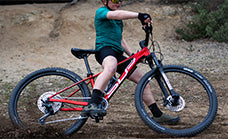
A full-suspension mountain bike has shock absorption at both ends: a suspension fork up front and a rear shock that lets the back wheel move independently of the frame. A hardtail only has the fork, and the rear triangle is rigid.
The practical result? On rough ground, a full-suspension bike keeps your tires in contact with the dirt more of the time, and it soaks up the repeated hits that would otherwise travel through your hands, back, and legs.
What it does for you as a beginner
- More traction. Wheels that follow the ground grip better, especially over roots, rocks, and loose descents.
- Less fatigue. Less vibration reaching your body means you can ride longer before you're wiped out.
- More confidence. When the bike forgives small mistakes, you try more things and improve faster.
Hardtail vs. Full Suspension: Which Should a Beginner Pick?
You'll hear plenty of opinions. Here's the honest version.
Why a hardtail can make sense
Hardtails are simpler, usually lighter for the price, and have fewer moving parts to maintain. If your local trails are smooth and mellow, a hardtail is a perfectly good choice.
Why full suspension can be the better first bike
If your trails include rocky sections, roots, steeper descents, or just generally bumpy terrain, full suspension takes the edge off. Beginners often tense up on rough terrain, and tension makes riding harder and more tiring. A bike that smooths things out lets you relax, look ahead, and learn good habits.
There's also research behind the comfort side of this. Studies on mountain bike suspension have looked at how it affects vibration exposure and rider fatigue. If you like digging into the science, search PubMed or Google Scholar for peer-reviewed work on mountain bike suspension and vibration exposure. The consistent takeaway is that suspension setup influences how much vibration the rider absorbs, which matters over a long ride.
What a First Full-Suspension Bike Really Needs
Here's the thing: you don't need a $5,000 carbon race machine to learn the ropes. A good starter full-suspension bike needs a handful of basics done well.
1. A frame that fits you
Fit beats fancy parts every time. A bike that's the right size is easier to control, more comfortable, and safer. Check the brand's size chart against your height and inseam before ordering.
2. Reliable brakes
Disc brakes are the standard on trail bikes for good reason. They give consistent stopping power in wet and muddy conditions, and that's a big confidence booster on descents.
3. A drivetrain with enough gears
You want a wide enough gear range to grind up climbs without blowing up and to spin out on the way down. You don't need the most expensive group to get that.
4. Adjustable suspension
Being able to tweak air pressure or damping to match your weight and riding style is important. A basic setup you can dial in beats a fancy one you never touch.
5. A price that leaves room for gear
Helmet, gloves, a pump, a spare tube, and maybe some pedals if they aren't included all add up. If the bike eats your whole budget, you'll be riding under-equipped.
Where the Siskiu D Fits In
This is where the Siskiu D comes in. Starting from $989, it's built for riders who want to step into full-suspension riding without paying traditional retail markups. That's the whole BikesOnline US idea: cut out the middleman, pass the savings on, and help you ride more, for less.
For a first full-suspension bike, here's why that kind of price point matters:
- Low risk. If you're not sure how deep you'll get into mountain biking, a lower entry price makes it easier to say yes.
- Budget left over. The money you save can go toward a quality helmet, protective gear, and maybe a skills clinic.
- Room to grow. A solid starter bike lets you figure out what you like before you start upgrading parts.
Before you buy any bike, including this one, check the full spec list on the product page: frame size options, travel, brakes, and drivetrain. Match those details to the trails you actually ride, not the ones you imagine riding someday.
Setting Up Your First Full-Suspension Bike
Buying online means your bike arrives at your door, which is great for convenience. It also means a little setup on your end.
Do these first
- Check all bolts. Stem, handlebars, seat post, wheels, and pedals should be snug to spec. Use a torque wrench if you have one.
- Set your sag. Sag is how much your suspension compresses under your body weight in a normal riding position. Many riders start with around 25 to 30 percent for trail riding, then fine-tune by feel. Check your fork and shock manufacturer's guidance.
- Set tire pressure. Lower pressure gives more grip and comfort, but too low risks pinch flats and rim damage. Start in the middle of the recommended range and adjust.
- Adjust brake levers and saddle height. You want to reach the levers with one or two fingers and have a slight bend in your knee at the bottom of the pedal stroke.
- Take a short test ride. Stick to easy terrain and check that shifting and braking feel right.
If you're not comfortable with any of this, a local bike shop can do a safety check for a modest fee. It's worth it for peace of mind.
Beginner Tips to Get the Most From Your Bike
- Look where you want to go. Your bike follows your eyes. Focus on the line, not the rock.
- Stay loose. Bend your elbows and knees and let the suspension work.
- Brake before the corner, not in it. Slow down early and roll through smoothly.
- Start easy and build up. Green trails first, then work your way up as your skills grow.
- Ride with friends. You'll learn faster and have more fun.
- Do basic maintenance. Clean the bike, lube the chain, and check tire pressure before rides.
The Bottom Line
Your first full-suspension mountain bike should be comfortable, confidence-inspiring, and priced so you can afford to actually ride it. You don't need to overspend to get there. A well-chosen starter bike gets you out on the trail sooner, and that's where the real learning happens.
If that sounds like your kind of ride, take a look at the Siskiu D on the BikesOnline US store. Search for it by name, check the size chart and specs, and see if it matches your trails and your budget. Ride more, for less.