













Why More Americans Are Switching to Direct-to-Consumer Bikes

Buying a bike in the U.S. no longer starts at a storefront — it starts with research. More Americans are discovering that the best value, widest selection, and most transparent buying experience often comes from direct-to-consumer (DTC) channels. What began as a niche option has quickly become a mainstream way to purchase bikes, reshaping how riders shop and how brands market their products.
Offline retail continues to account for the majority of bicycle sales globally, while online channels are expected to grow the fastest. Together, this signals a shift toward a hybrid buying journey shaped by digital research and convenience.
Source: Fortune Business Insights
More Value Where It Matters Most
One of the strongest drivers behind the DTC shift is better value for money. By selling directly, brands and online-first retailers avoid layers of traditional retail markup.
For riders comparing specs side by side, the difference is hard to ignore. Instead of paying for storefront overhead, customers see their dollars invested directly into performance and ride quality.
The DTC Advantage
- Higher-spec components at comparable prices
- Better frames, drivetrains, and wheels within the same budget
- Clearer pricing without regional inconsistencies
Online Shopping Without the Limitations of a Showroom
Traditional shops are limited by floor space and local demand. Online platforms aren’t.
Broader Size Availability
Find the exact frame size you need without waiting for special orders.
Deeper Inventory
Access to complete categories that local shops might not stock.
Fewer Compromises
Don't settle for "what's on the floor" when you can get exactly what you want.
For many Americans, particularly those outside major metro areas, DTC opens access to bikes that might never appear in a nearby shop. With detailed geometry charts, sizing tools, and comparison features, riders can narrow choices confidently without feeling rushed.
Confidence Built on Information, Not Guesswork
Modern bike buyers are highly informed. Reviews, long-term tests, community forums, and video content play a major role in decision-making. This research-first approach reduces reliance on test rides alone. Riders know what they want before they buy — and DTC models cater directly to that behavior.
Trusted Brands Are Leading the Shift
DTC is no longer limited to online-only startups. Established brands are actively embracing direct sales.
Pioneered the online-exclusive model, pairing competitive pricing with sophisticated digital tools and an expanding service partner network.
Introduced Rider Direct, blending home delivery with dealer-assisted options.
Followed with Consumer Choice, allowing customers to buy online while involving local dealers in fulfillment and support.
As household-name brands normalize DTC, consumer hesitation continues to fade.
The Role of Online-First Retailers
Beyond individual brands, online-focused retailers have quietly become a trusted part of the U.S. cycling ecosystem. Platforms like BikesOnline operate entirely around the DTC model, offering access to performance-driven brands without the traditional retail price premium.
By focusing on education, detailed product information, and reliable fulfillment, this approach appeals to riders who already know what they’re looking for — and want it delivered without friction.
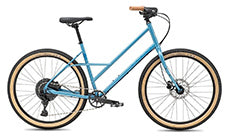
Within these platforms, brands such as Polygon and Marin have found strong traction. Their lineups reflect what many American riders want from DTC: modern geometry, proven components, and pricing that aligns closely with real-world value rather than showroom positioning.
Pandemic Habits That Never Fully Reversed
The pandemic accelerated online purchasing across nearly every industry, and cycling was no exception. Riders became comfortable buying bikes sight unseen, handling minor assembly at home, and relying on digital support and documentation.
Even as physical stores reopened, many consumers saw little reason to abandon the convenience they’d already adopted. DTC simply became the default for a growing segment of buyers.
What DTC Means for Local Bike Shops
The rise of DTC has put pressure on traditional bike shops, especially around bike sales and inventory control. But it hasn’t removed their importance. Instead, many shops are evolving toward:
- Service and repair specialization
- Professional bike fitting
- Community building and ride support
Hybrid models are becoming more common, where bikes purchased online are assembled, serviced, or supported locally. In this environment, shops remain essential, but with a different role than before.
A Market That’s Still Evolving
DTC bikes aren’t without challenges. Assembly confidence, warranty handling, and service access still matter. That’s why the most successful players focus heavily on:
- Clear setup guides and videos
- Responsive customer support
- Partnerships with local service providers
Brands and retailers that get this balance right continue to gain trust, while others struggle to scale sustainably.
The Bigger Shift in How Americans Buy Bikes
The move toward direct-to-consumer bikes reflects a broader truth: American riders value control, transparency, and value more than ever. They want to compare options on their own terms, understand exactly what they’re paying for, and choose when and how they engage with in-person service.
DTC doesn’t replace local expertise — it reshapes when and how riders use it. As digital tools improve and service networks adapt, the line between online and offline continues to blur.
For many Americans, switching to direct-to-consumer bikes isn’t about cutting corners. It’s about buying smarter — with more information, better value, and fewer barriers between research and the ride.
Frequently Asked Questions
Are direct-to-consumer bikes reliable?
Yes. Most direct-to-consumer bikes are produced by established manufacturers using the same factories, materials, and quality-control standards as bikes sold through traditional retail channels. Reliability depends more on brand reputation, component selection, and proper setup than where the bike is purchased.
Do I need to assemble a bike bought online?
Most direct-to-consumer bikes arrive partially assembled. Typical setup includes installing the front wheel, handlebars, pedals, and adjusting the saddle. These steps usually require basic tools and clear instructions. Riders who prefer not to assemble the bike themselves can often use a local bike shop for professional setup.
What happens if my online bike needs servicing or warranty support?
Servicing and warranty support are typically handled through authorized service partners or local bike shops. Many online retailers and brands provide clear warranty processes, replacement parts, and labor reimbursement options. Routine maintenance such as tune-ups and adjustments can be performed by most bike shops regardless of where the bike was purchased.